an award-winning master's thesis exploring a systems-level redesign of hospital food experiences that restores patient dignity, supports caregiver decision-making, and reduces waste through one connected care ecosystem.
focus: patient dignity, autonomy, trust, caregiver burden,
food waste, workflow strain, operational decision-making
design impact: designed a three-part, EHR-integrated dashboard ecosystem for patients, caregivers, and administrators that reframes hospital meals as part of care rather than just hospital logistics.
my role
product designer & researcher
end-to-end systems ownership (solo)
timeline
aug – dec 2025
methods used
qualitative interviews, stakeholder research,
healthcare systems analysis, literature review,
public patient discourse analysis, affinity mapping,
journey mapping, service blueprinting
↦ “Let food be thy medicine, and medicine be thy food."
-Hippocrates
↦ the why
Hospital food systems are usually designed for logistics first: tray delivery, staffing, timing, and cost control.
But for patients, meals are never just operational.
They are emotional, physical, and deeply tied to comfort, trust, and recovery.
I focused this project within women’s hospital settings, where nutrition, recovery, hormonal shifts, surgery, and emotional vulnerability often intersect in especially visible ways. That context made it possible to explore a harder and more human question:
what would happen if hospital food systems were designed to support healing, not just delivery?
↦ the problem
The issue was not simply that hospital food felt unappealing:
it was that the system treated meals like a logistical output instead of a care experience.
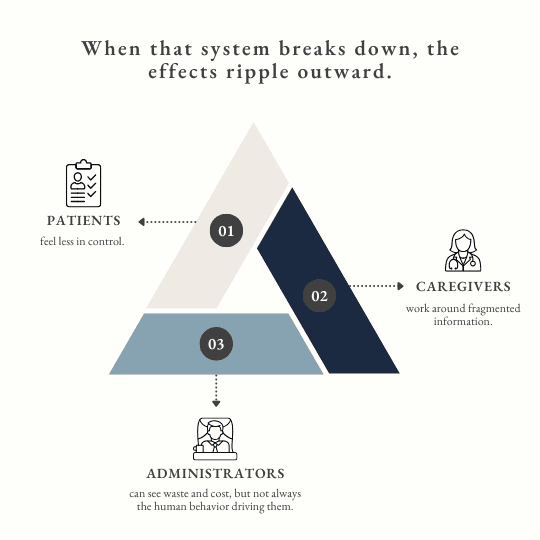
That failure showed up in three places:
Patients often lost autonomy during recovery, making food feel impersonal, mistimed, and easy to disengage from
Caregivers had to piece together intake, symptoms, restrictions, and dietary safety across disconnected systems
Administrators could measure waste and cost, but lacked visibility into how patient experience and operational inefficiency were connected
As a result, uneaten meals became more than waste (though research shows that hospitals waste up to 30% of prepared meals
They became a visible symptom of a larger systems failure - one involving trust, coordination, emotional safety, and dignity.
the hypothesis
I believed that if hospital meal systems gave patients more guided control, gave caregivers clearer nutrition-related context, and gave administrators a better view of experience-to-waste patterns, then food could become a more active part of healing rather than a passive logistical service.
My design goal was to create something operationally realistic - a system that improved dignity, reduced friction, and made sustainability more measurable without adding burden to patients or staff.
↦ the research
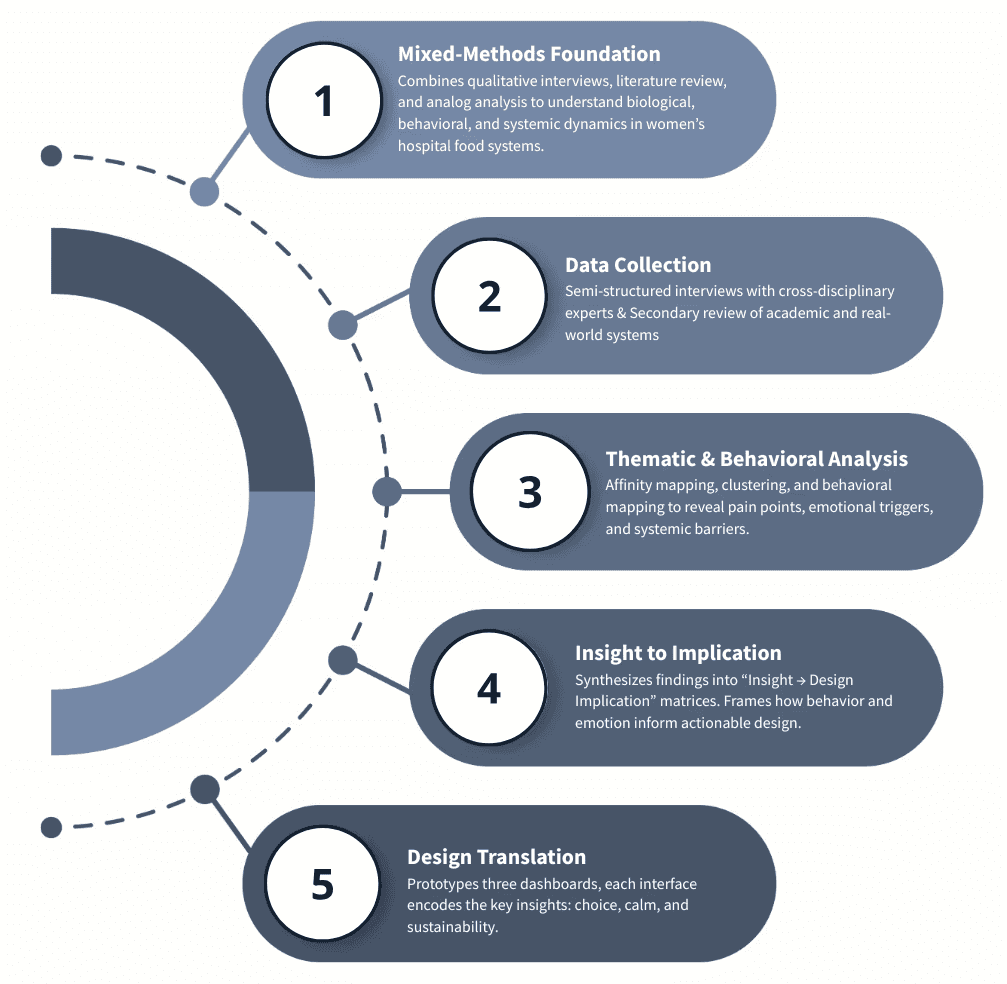
Figure 1. How layered research
translated complexity into design direction
i used a mixed-methods research approach that combined academic literature, healthcare systems analysis, stakeholder perspectives, and publicly available patient discourse.
Before designing anything, I wanted to understand not just what hospital food systems do, but how they shape emotion, behavior, and trust during recovery.
Across all qualitative inputs, four interconnected themes consistently explained where hospital food systems succeed and where they break down.
Using affinity mapping, patterns consistently converged around four interconnected themes:
Food as dignity and control:
Small, guided choices restore autonomy and trust during vulnerability
Emotional and cognitive design:
calm, predictable systems reduce anxiety and cognitive load, supporting recovery.
Systems of disconnection:
Fragmented workflows undermine empathy, efficiency, and sustainability.
Sustainability as shared healing:
Patients feel connected to food (empathy) = waste decreases naturally (environmental impact).
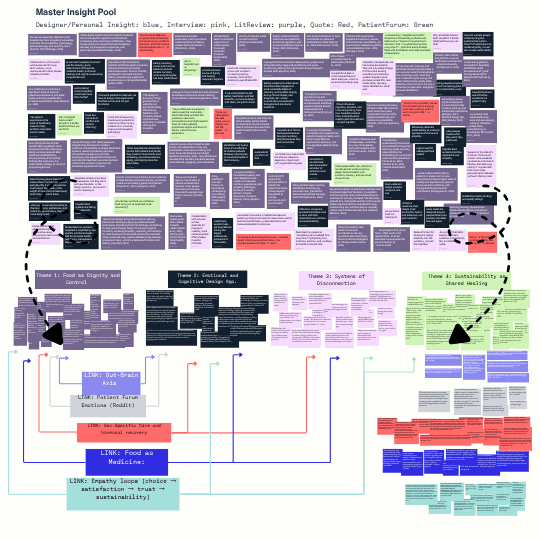
These themes are connected by reinforcing feedback loops (choice → satisfaction → trust → sustainability), forming the foundation for the system-level solution.
↦ the insights
a few findings changed the direction of the work:
Patients responded to food emotionally, not just nutritionally
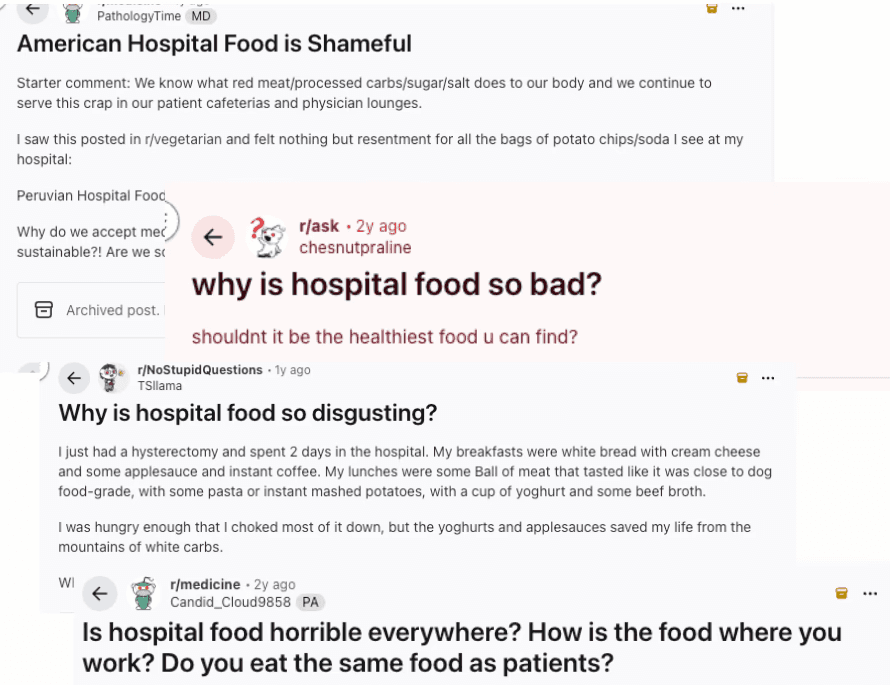
Across Reddit threads, Google reviews, and healthcare research, people rarely described hospital food in terms of nutrients alone. They described how it made them feel.
Cold trays, incorrect diets, or missed meals were often interpreted as signs of neglect. Warmth, choice, and personalization were experienced as dignity and relief.
Small moments of control mattered more than endless choice
Patients in recovery are often navigating fatigue, pain, nausea, stress, medication effects, or low cognitive bandwidth.
What helped most was not unlimited customization, but guided autonomy - choices that felt supportive rather than demanding.
Care teams were already holding the system together manually
Nutrition, symptom feedback, dietary restrictions, and satisfaction data often existed, but lived in separate workflows.
Any solution that created more clicks, more context switching, or more documentation would fail adoption.
Waste was also an experience problem
The more I researched, the clearer it became that waste was not only operational. It was behavioral and emotional, too. When meals aligned better with appetite, timing, and symptoms, waste could decrease naturally.
That shift ended up changing the entire project. I started by thinking about sustainability. I left understanding that dignity was the real entry point.
↦ the design decisions
this project became much stronger once I stopped trying to solve everything at once and started making sharper decisions.
1. I designed three connected dashboards instead of one shared interface
Patients, caregivers, and administrators each needed different levels of information, different emotional tone, and different kinds of decision support. A single interface would have collapsed too many competing needs into one place.
Trade-off: More system complexity, but much stronger clarity for each role.


2. I integrated the concept into existing EHR workflows
Stakeholder research made it clear that hospitals have low tolerance for disruption. Rather than imagining a standalone product, I designed the system to fit alongside platforms like Epic/MyChart.
Trade-off: Less conceptual freedom, but far stronger implementation realism.
3. I prioritized guided autonomy over open-ended meal customization
In many digital products, more choice sounds better. In recovery settings, that is not always true. I intentionally structured decisions into calm, manageable steps so the experience would feel supportive rather than overwhelming.
Trade-off: Less theoretical flexibility, but better usability in context.


4. I kept patient feedback intentionally lightweight
Instead of long meal logs or emotional journaling, I reduced feedback to a few simple post-meal states that caregivers could interpret quickly and act on.
Trade-off: Less granular data, but lower burden and higher likelihood of completion.
5. I scoped the pilot to women’s hospitals
I narrowed the initial use case because these environments made the overlap between nutrition, physiology, recovery, and emotional care especially visible. It gave the system a clearer and more defensible starting point.
Trade-off: Narrower scope, but a stronger pilot context.

↦ the refinement
a few findings changed the direction of the work:
My first instinct was to frame this primarily as a sustainability intervention. But the more research I did, the clearer it became that waste was a downstream symptom, not the core human problem.
Patients were not disengaging because they did not care about sustainability. They were disengaging because the system made food feel impersonal, poorly timed, and emotionally disconnected from care.
That realization changed the whole direction of the project.
Instead of designing around waste first, I designed around autonomy, emotional safety, and coordination - and treated sustainability as an outcome of better care.
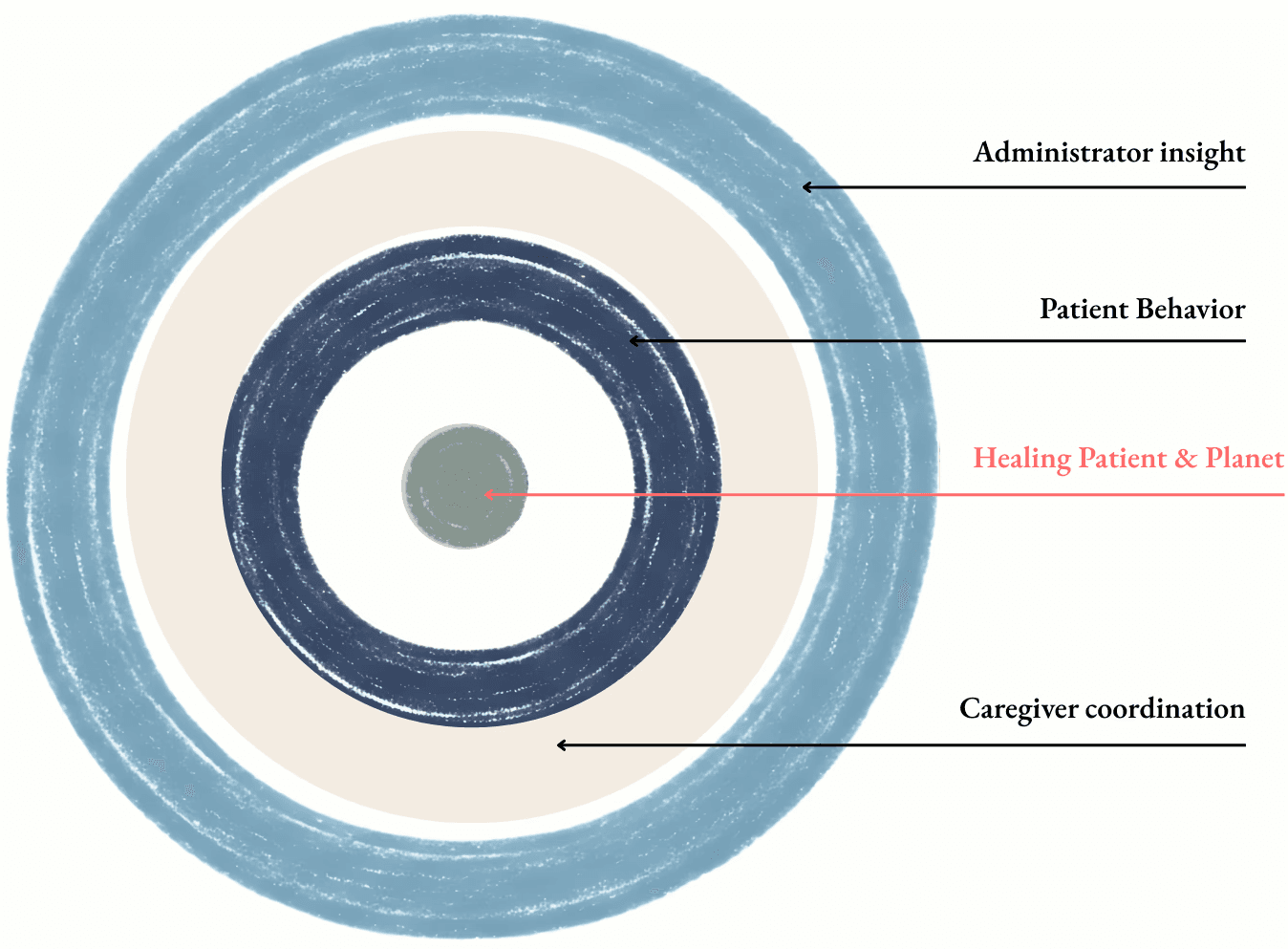
Figure 26: Behavioral Sustainability Loop
When looking at this ideology from a closed feedback loop, each layer feeds the next:
patient choices generate behavioral signals, caregiver actions create operational insight, and administrators convert both into strategy.
The loop:
autonomy ↑ → satisfaction ↑ → waste ↓ → cost ↓ → reinvestment in better sourcing + experience ↑
That’s the point of behavioral sustainability: dignity, efficiency, and stewardship reinforcing one another without adding burden.
↦ the solution
designing to align care, operations, and stewardship
I designed Healing Patient & Planet as a three-part dashboard ecosystem that connects patient choice, caregiver coordination, and administrative oversight into one EHR-compatible care system.
Rather than optimizing one isolated touchpoint, the system aligns three interdependent perspectives so that emotional experience, clinical workflow, and environmental impact reinforce one another.
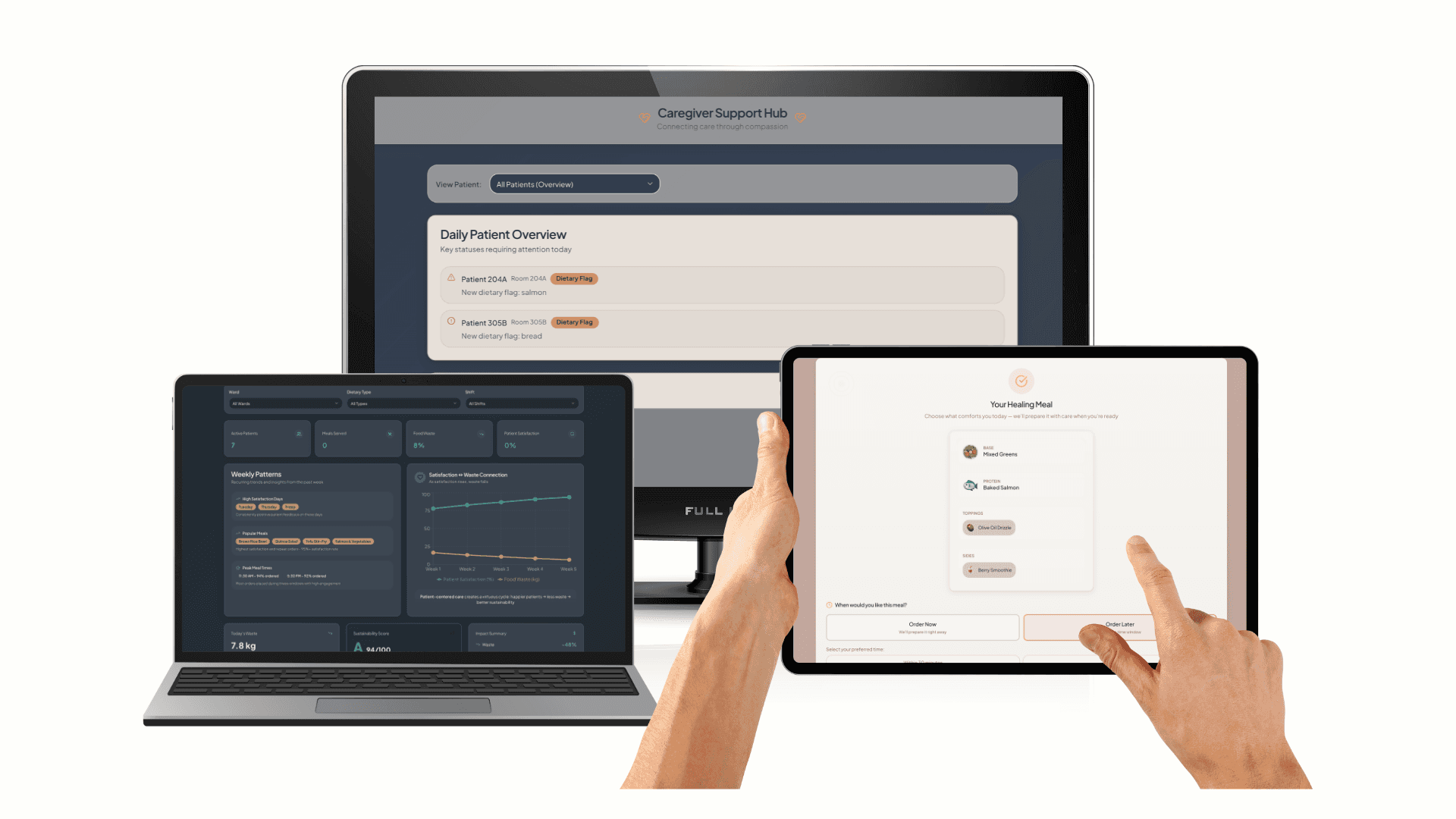
Figure 6: Three Perspectives, One Interdependent System
Dashboard 1: Patient Experience
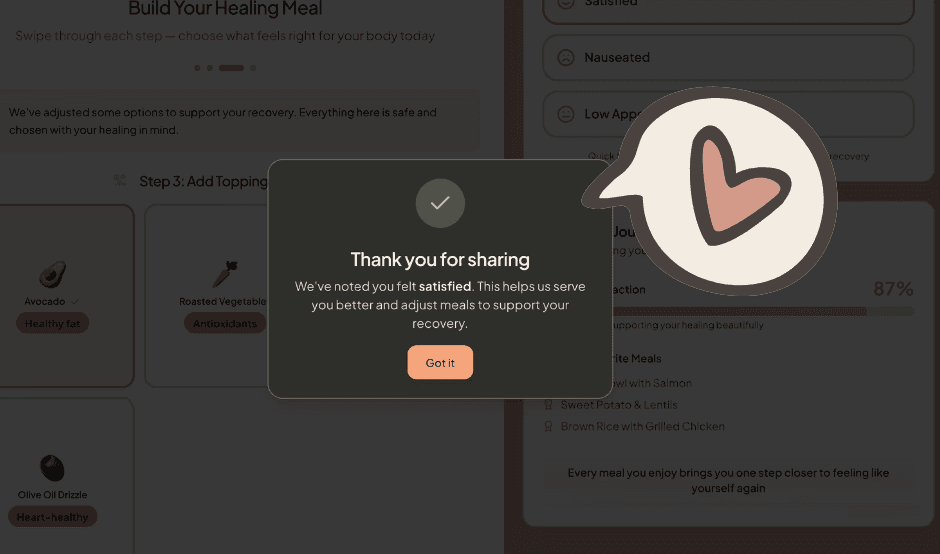
The patient dashboard was designed to restore dignity through calm, guided choice.
Patients can:
build meals through a simple, linear flow
view only options that align with allergies, restrictions, and contraindications
choose meal timing based on appetite and symptoms
leave lightweight post-meal feedback without having to explain themselves repeatedly
The interaction design was shaped heavily by neurodesign principles. I wanted the interface to feel intentionally quiet - visually, cognitively, and emotionally. The system uses predictable hierarchy, warm neutrals, minimal motion, and supportive microcopy to reduce friction during moments of pain, fatigue, nausea, or anxiety.
This was one of the most important shifts in the project. The dashboard does not just streamline ordering, it changes what food means during care. Choice becomes a small but meaningful return of control.
What this improves
more autonomy during recovery
fewer meals that feel mistimed or impossible to eat
less advocacy burden on patients
a calmer and more emotionally safe experience

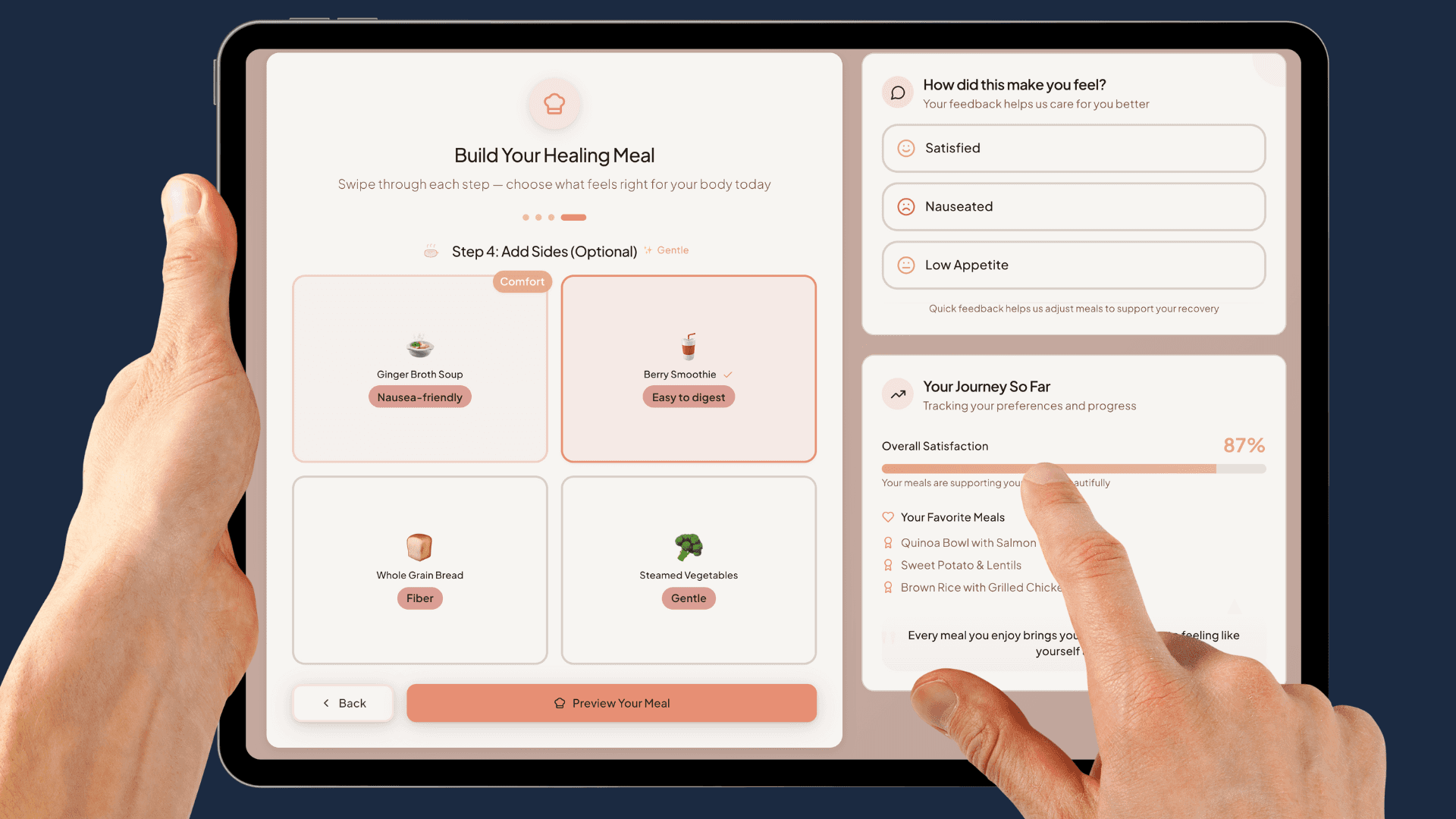
Figure 7: Patient Dashboard
core design principles
I had three non-negotiables when designing the patient dashboard:
Guided autonomy
Patients have real choice, but within a structure that feels supportive — especially when cognition is compromised.
Emotional safety
The interface should feel like a quiet exhale, not a clinical workflow.
No extra work for patients
The system adapts to dietary constraints and recovery needs, without stressing the patient.
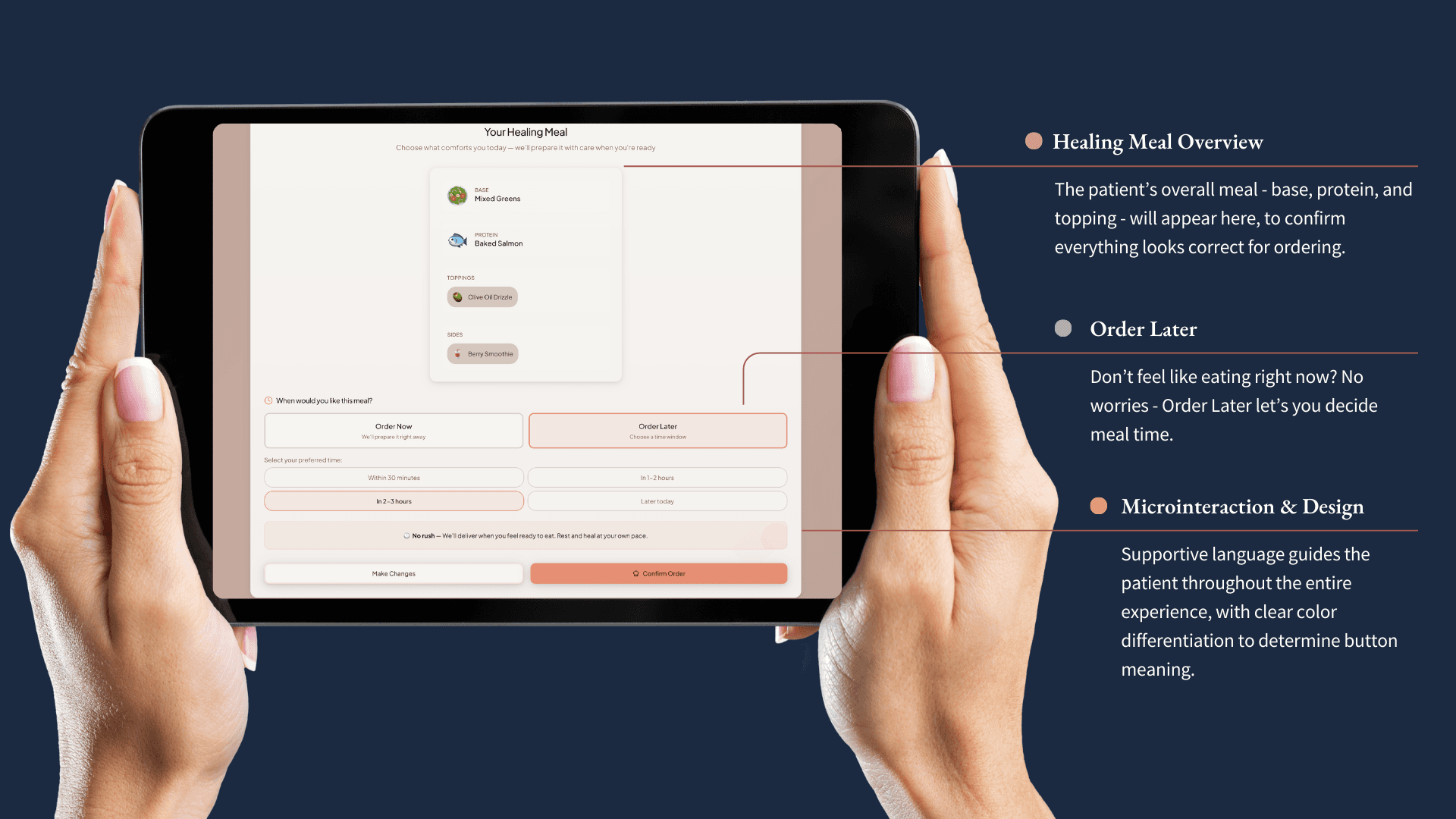
Figure 11: Patient Dashboard Design Features
Dashboard 2: Caregiver Experience
If the patient dashboard restores choice, the caregiver dashboard restores clarity.
It was designed for nurses, dietitians, and care teams who are already juggling fragmented information, time pressure, and the emotional labor of supporting patients at their most vulnerable.
Caregivers can:
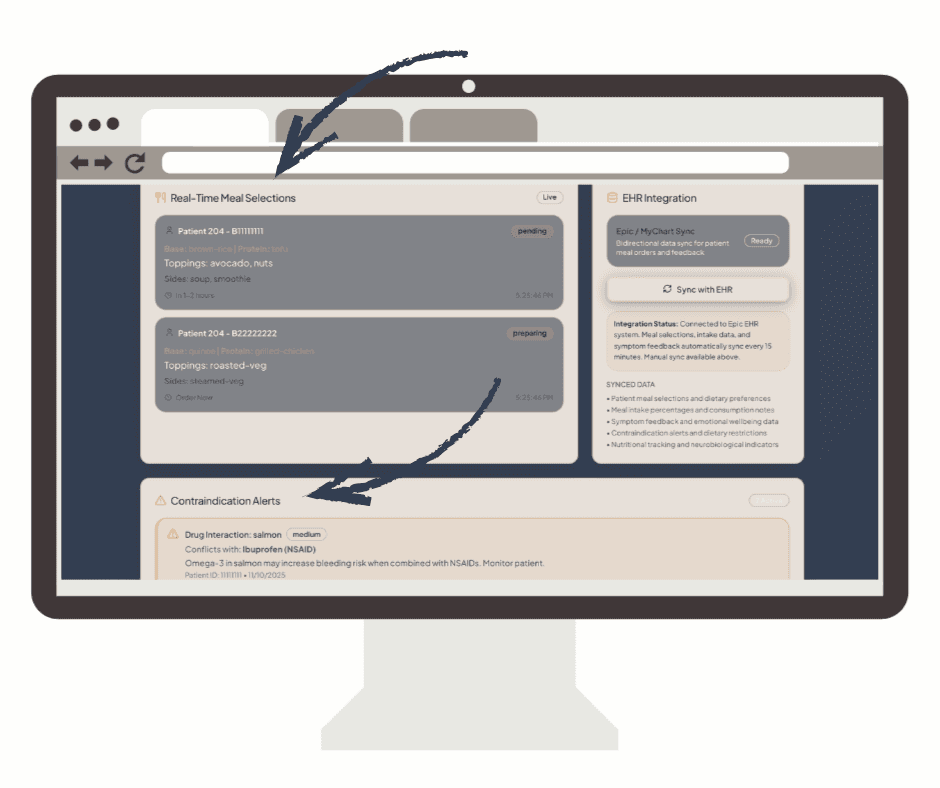
see nutrition and safety signals at a glance
review meals, restrictions, allergies, and contraindications in one place
monitor symptom-linked meal feedback
move from shift-level overview to patient-specific detail as needed
support handoffs and care coordination without digging across systems
A major goal here was reducing cognitive load without sacrificing meaning. I designed the interface to be glanceable first, detailed second.
The point was not to create another dense clinical tool. It was to surface the right insight at the right moment, without adding documentation friction or alarm fatigue.
What this improves
less manual cross-checking across disconnected systems
faster understanding of nutrition-related risk or change
stronger care coordination between shifts
more responsive, less fragmented support for patients

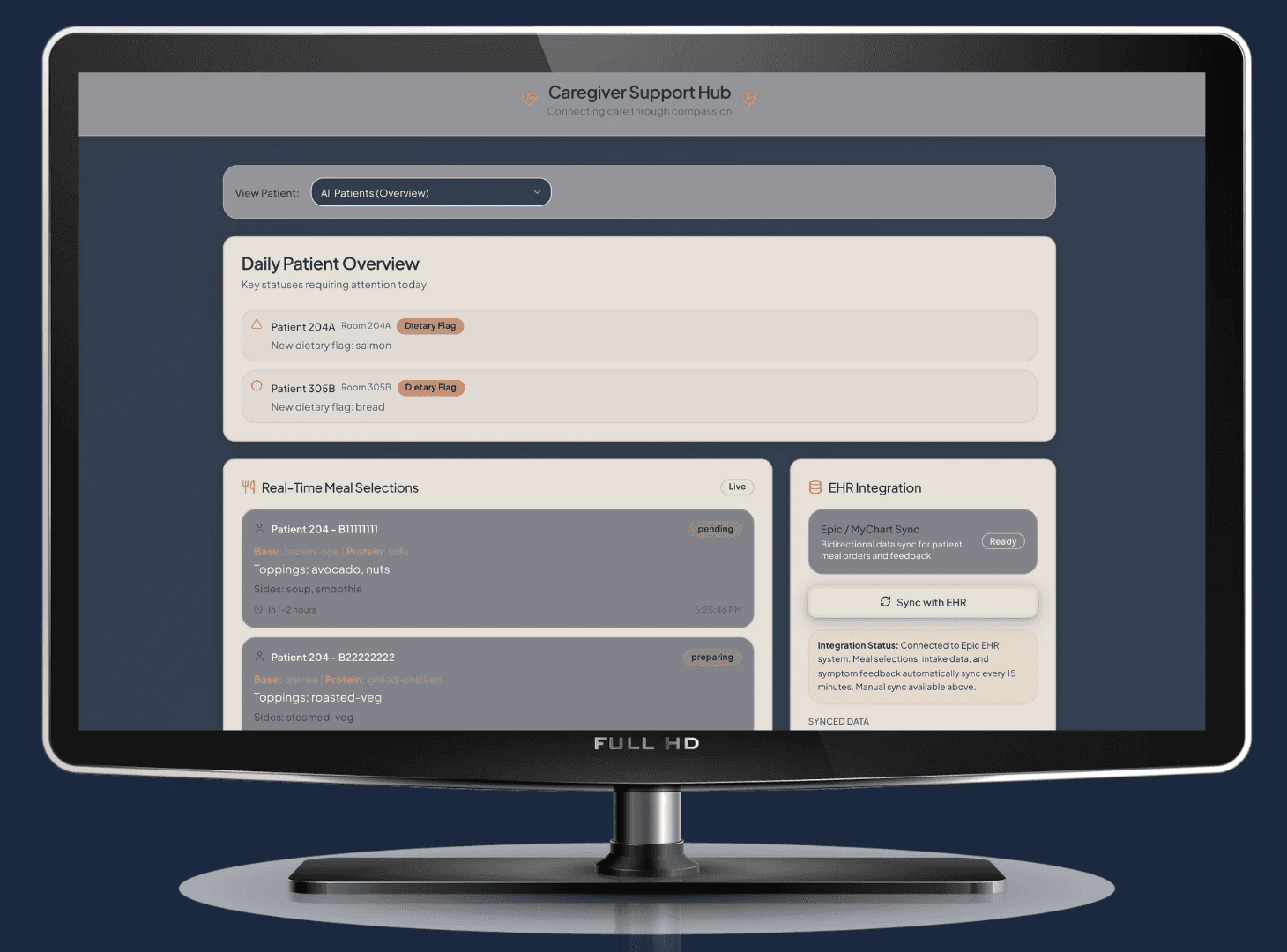
Figure 12: Caregiver Dashboard Overview
core design principles
Glanceable first, detailed second
Start with shift-level clarity, then allow a focused patient deep dive when needed.
Alert caregivers, don’t activate them
Priority is signaled without creating urgency noise or alarm fatigue.
Consistency across roles
Intentionally echoes the patient UI patterns so the system feels unified and learnable.
Clinical meaning, humane tone
The interface stays calm and respectful while still being clinically useful.
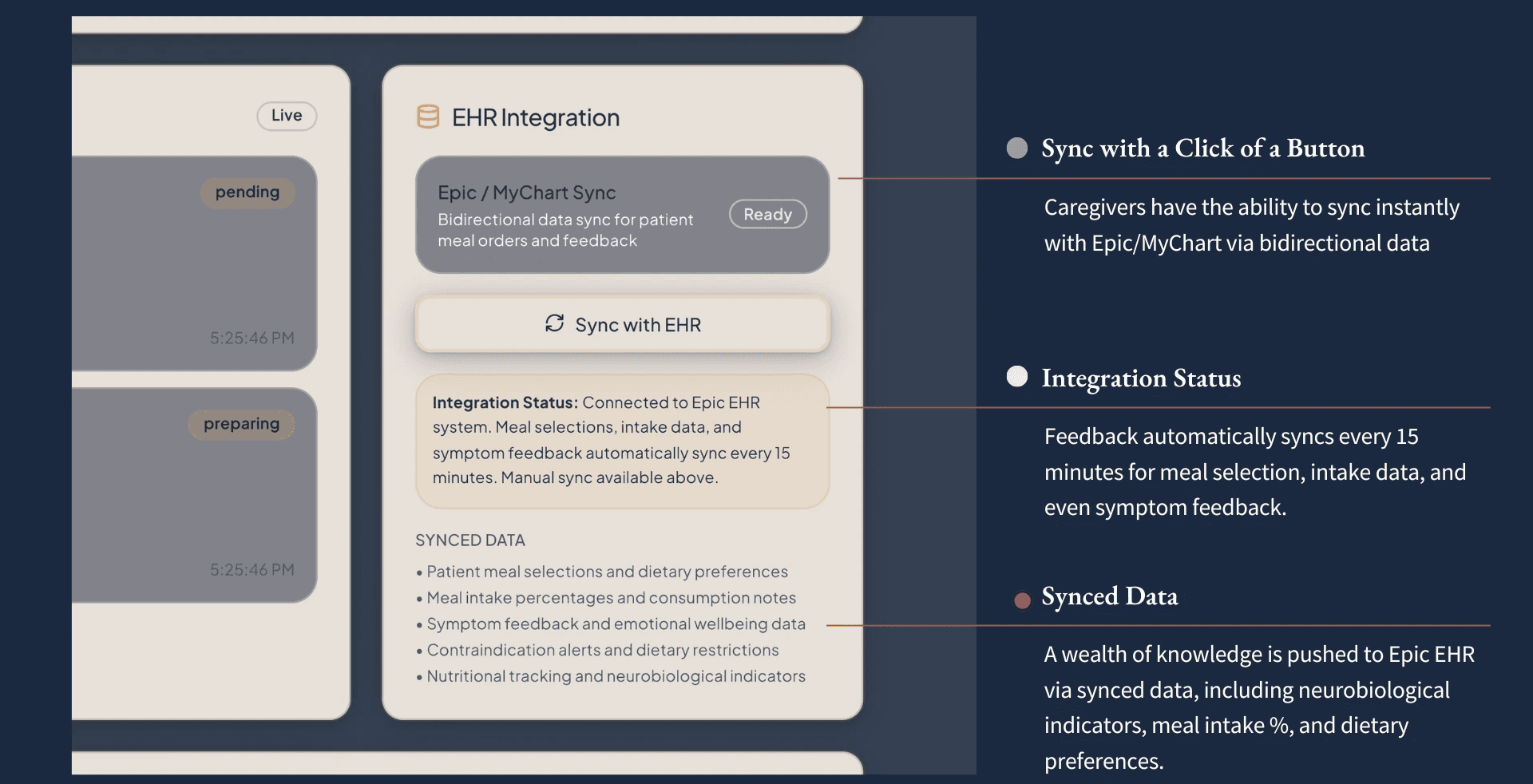
Figure 20: Bidirectional Data Sync
seamless EHR integration: complementary, not competitive
HP&P is designed to embed into existing workflows and systems like Epic/MyChart, not replace them. In the prototype, an EHR Sync module supports bidirectional updates every 15 minutes.
Synced data includes:
Meal selections + intake
Symptom feedback
Dietary preferences + restrictions
Contraindications + allergy alerts
Nutrition-linked indicators (mood/fatigue support signals)
Why it matters: fewer duplicate entries, fewer missed signals, and better alignment across nutrition, nursing, and care teams.
Dashboard 3: Administrative Experience
If the caregiver dashboard restores day-to-day flow, the administrator dashboard restores perspective.
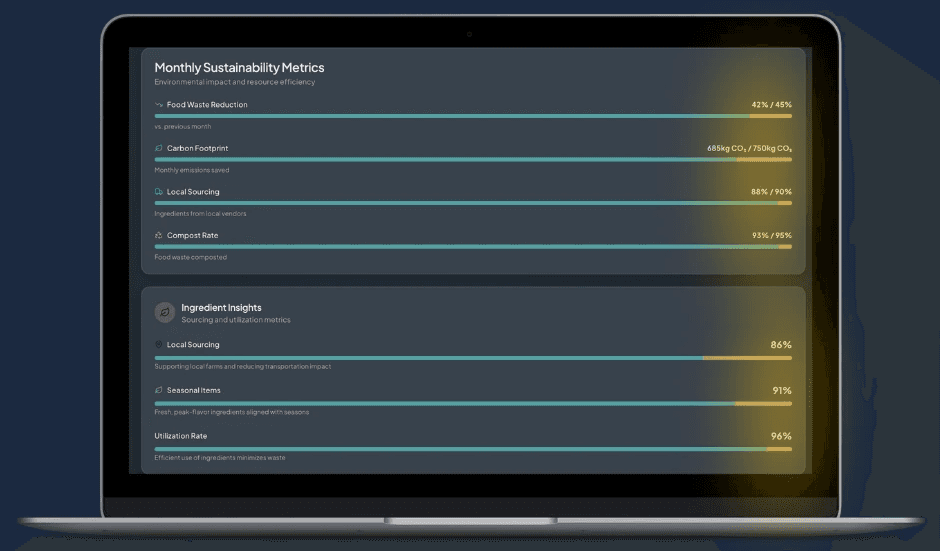
This view connects waste, sourcing, satisfaction, and cost into one readable system narrative. It gives administrators a way to understand how daily care decisions ripple outward into operational and sustainability outcomes.
Administrators can:
monitor waste, utilization, and satisfaction patterns
track sourcing and stewardship metrics over time
identify overproduction and demand trends
connect patient experience to cost and reporting outcomes
use the system for planning, internal alignment, and ROI storytelling
I wanted this dashboard to avoid the usual “green gloss” that sometimes shows up in sustainability tools. The visual language stays calm and direct. Sustainability is presented as something traceable and operational, not abstract or self-congratulatory.
That mattered a lot to me. I did not want stewardship to feel like a side initiative. I wanted it to feel inseparable from the quality of care itself.
What this improves
earlier visibility into waste patterns
a clearer connection between experience and operations
stronger forecasting and planning support
more grounded sustainability reporting

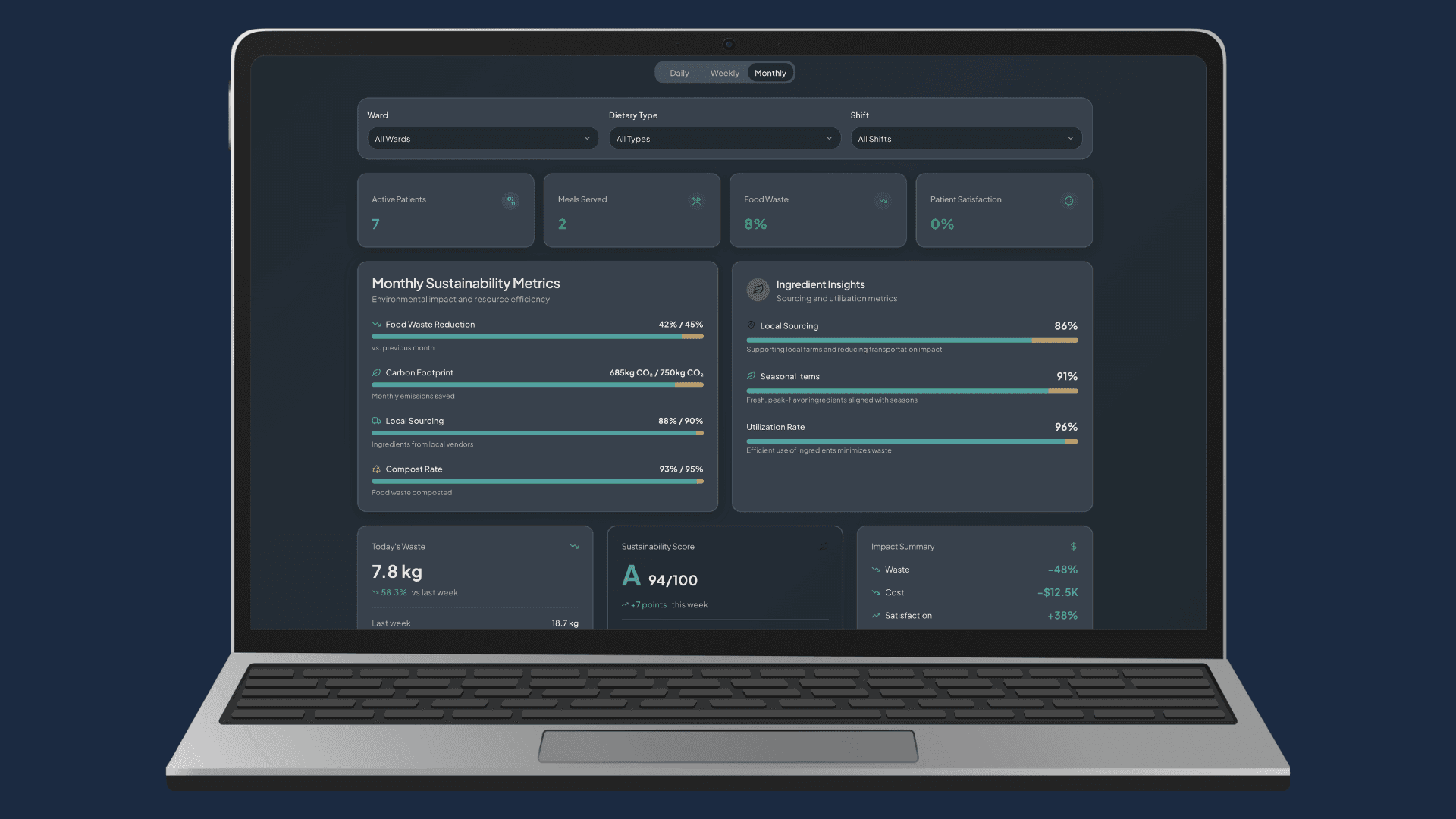
Figure 21: Admin-Dashboard in Monthly View
core design principles
Vital signs, not vanity metrics:
High-level tiles show what leaders need first, not everything the system can measure.
Honest data presentation:
Neutral visuals that don’t sensationalize wins or hide hard truths.
Stewardship is traceable: Sustainability is shown as real inputs/outputs (waste, sourcing, utilization), not abstract targets.
Behavior → operations → ROI: The dashboard tells a coherent story leaders can use for planning, reporting, and decision-making.
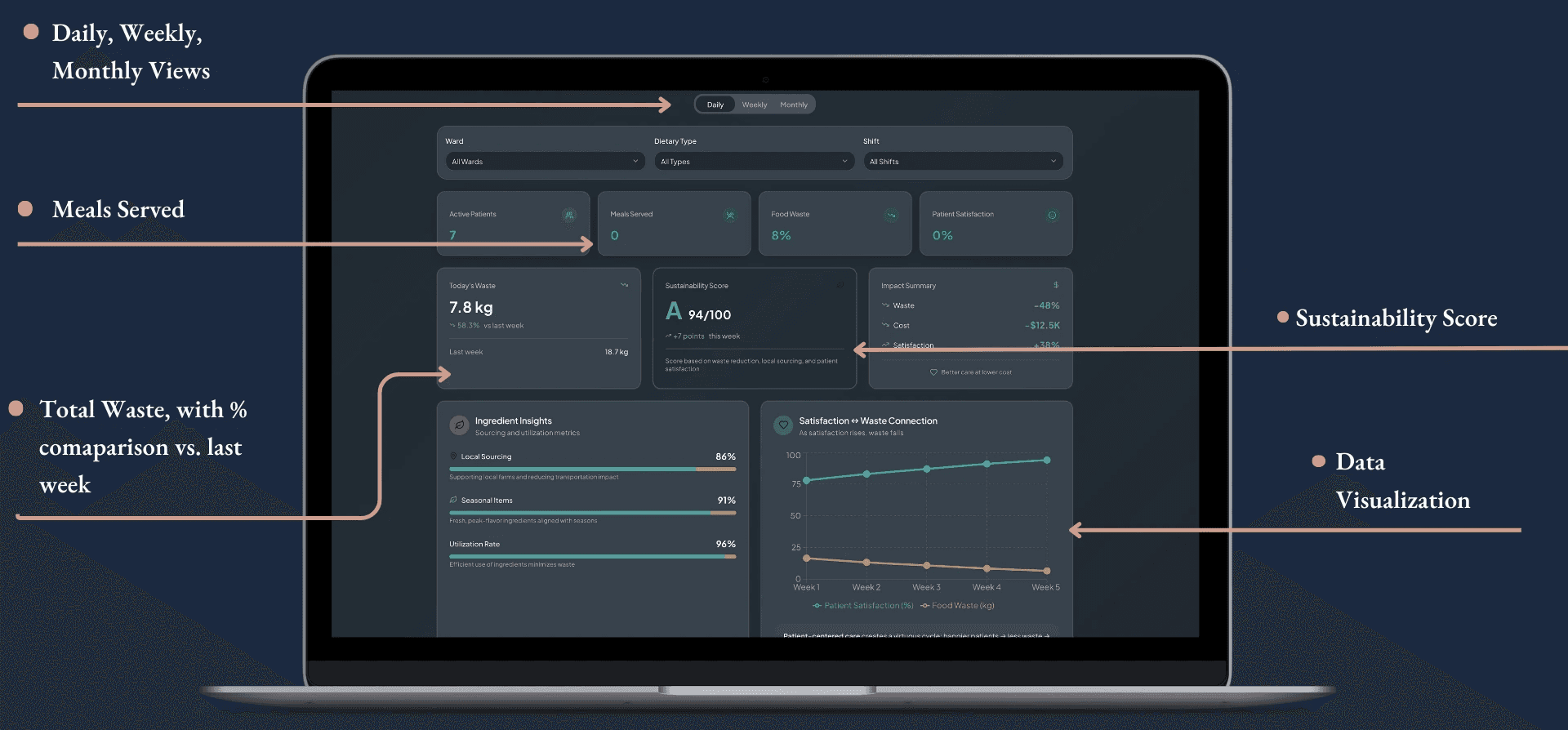
Figure 22: Admin Dashboard Daily View with Specific Sections
what “sustainable” means in HP&P
In this MVP, sustainability isn’t a supply chain overhaul. It’s behavioral sustainability: when people feel informed, supported, and emotionally connected to choices, waste drops and resources are used more responsibly.
Three pragmatic layers
Waste reduction (Operational): Choice + real-time demand alignment reduces plate waste naturally.
Responsible sourcing (Ethical): Local, seasonal, plant-forward metrics become visible, measurable, repeatable.
Resource management (Economic): Cost, waste, and satisfaction interlock into an ROI model grounded in real behavior.
Sustainability here is an outcome of empathy, not an operational mandate. When comfort and control are built into the experience, waste decreases as a byproduct of care done well.
↦ the neurodesign
Because this system lives in moments of stress, fatigue, pain, and overload, I used neurodesign as more than a visual style. It became part of the care model itself.
That meant designing for:
predictable layout and hierarchy
chunked decision-making
minimal motion and low-stimulation interactions
warm, readable visual language
microcopy that feels supportive without becoming sentimental
My goal was not to make the experience “pretty.” It was to make it feel steady. In a hospital setting, that emotional tone matters.
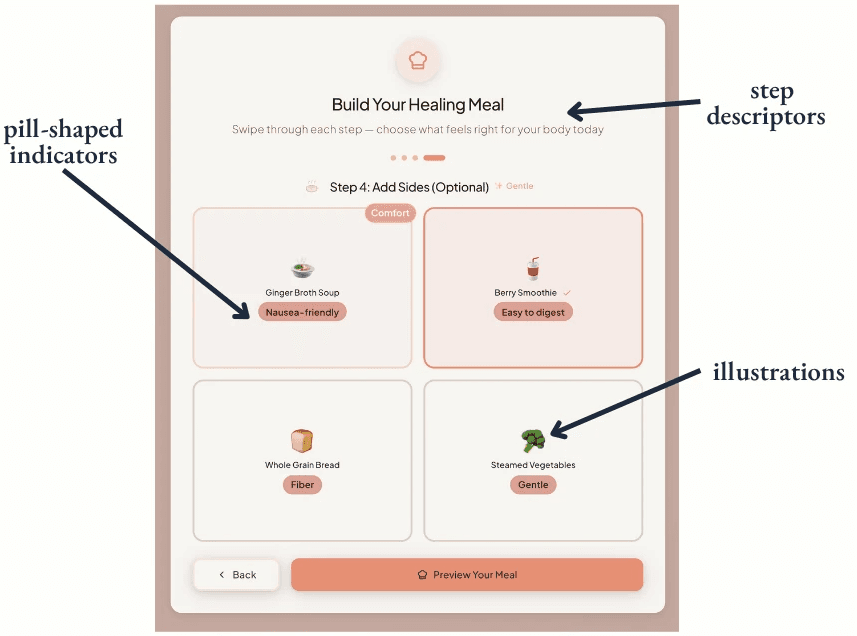
Figure 9: Patient Dashboard Step 4
even without live product metrics, the value of the system became clear in three ways.
Because this was a capstone concept and not a launched product, I’m careful not to overstate outcomes. But even without live implementation data, the design impact became clear in three ways.
For patients
restored a sense of autonomy during recovery
reduced friction around meal timing, choice, and dietary safety
reframed food as part of care rather than a passive hospital service
For caregivers
consolidated fragmented nutrition and symptom signals into one workflow
reduced the need for manual cross-checking across systems
made patient feedback easier to interpret and act on
For administrators
connected waste, satisfaction, and cost into one decision environment
made sustainability more traceable through behavior, not just reporting
created a stronger foundation for pilot testing and implementation planning
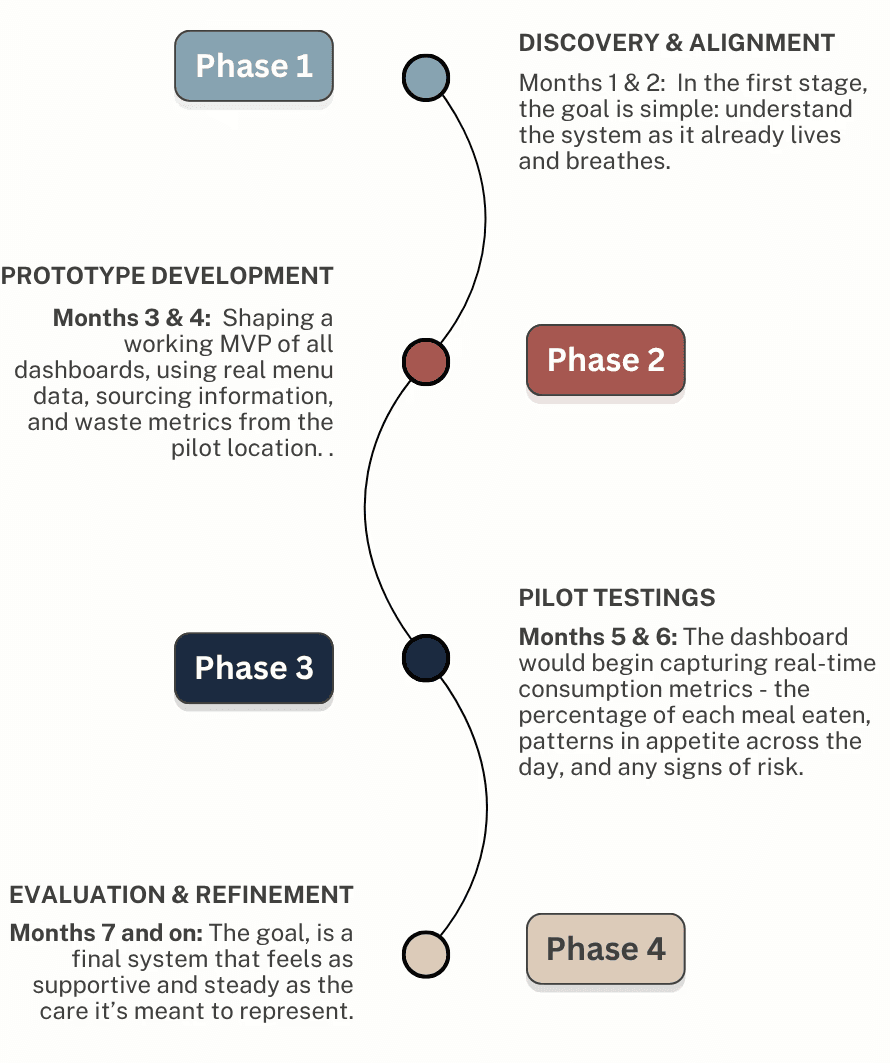
Figure 27: Implementation Phases
pilot structure
Pilot success would be measured through
reduction in plate waste
improved intake consistency and personalization
stronger patient satisfaction and dignity signals
better visibility into cost, sourcing, and sustainability outcomes
metrics for success
Success must be clinical, behavioral, operational, and emotional, because healing happens across all four. Within the metric for success, the outcomes fall into three categories:
sustainability & operational:
Framer is a no-code tool for building and publishing responsive websites—perfect for anyone creating modern, high-performance pages without coding.
clinical & behavioral outcome:
Framer is fully visual with no code needed, but you can still add custom code and components for more control if you're a designer or developer.
emotional & experiential:
This is a free, responsive FAQ section for Framer. Drop it into any project, customize styles and text, and use it to save time on support or info pages.
↦ the reflection
future directions (long-term visions)
As the MVP evolves, future phases will focus on expanding behavioral sustainability into operational and community systems.
modular food - prep & scalable meal models
Framer is a no-code tool for building and publishing responsive websites—perfect for anyone creating modern, high-performance pages without coding.
intelligent adaptation & personalization
Framer is fully visual with no code needed, but you can still add custom code and components for more control if you're a designer or developer.
community and systems integration
This is a free, responsive FAQ section for Framer. Drop it into any project, customize styles and text, and use it to save time on support or info pages.
Overall though, this project taught me that complex systems rarely fail in just one place. What looks like a food problem is often also a trust problem, a workflow problem, and an emotional regulation problem.
It also pushed me to think more critically about implementation. A strong concept alone was not enough. The system needed to be realistic for hospitals to adopt, which meant designing with technical constraints, stakeholder caution, and workflow protection in mind from the beginning.
If I continued the project, I would focus next on:
validating the pilot with real hospital stakeholders
testing the patient flow with people in recovery contexts
refining the data model behind intake, feedback, and waste forecasting
clarifying what belongs in the MVP versus later operational expansion
More than anything, this project reminded me that healing is never just physical. Digestion, emotion, cognition, and decision-making are deeply entangled systems. When illness, stress, or pain disrupt those systems, people need environments that restore not only balance, but belonging.
That is really what Healing Patient & Planet became for me - not a hospital food app, but a blueprint for more humane care.
↦ the prototypes
prototype links
Patient prototype: https://healingpatientandplanet.lovable.app/patient
Caregiver prototype: https://healingpatientandplanet.lovable.app/caregiver
Administrator prototype: https://healingpatientandplanet.lovable.app/admin

NEXT WORK
joystick
a game discovery platform built for players who want to feel seen, safe, and supported.

